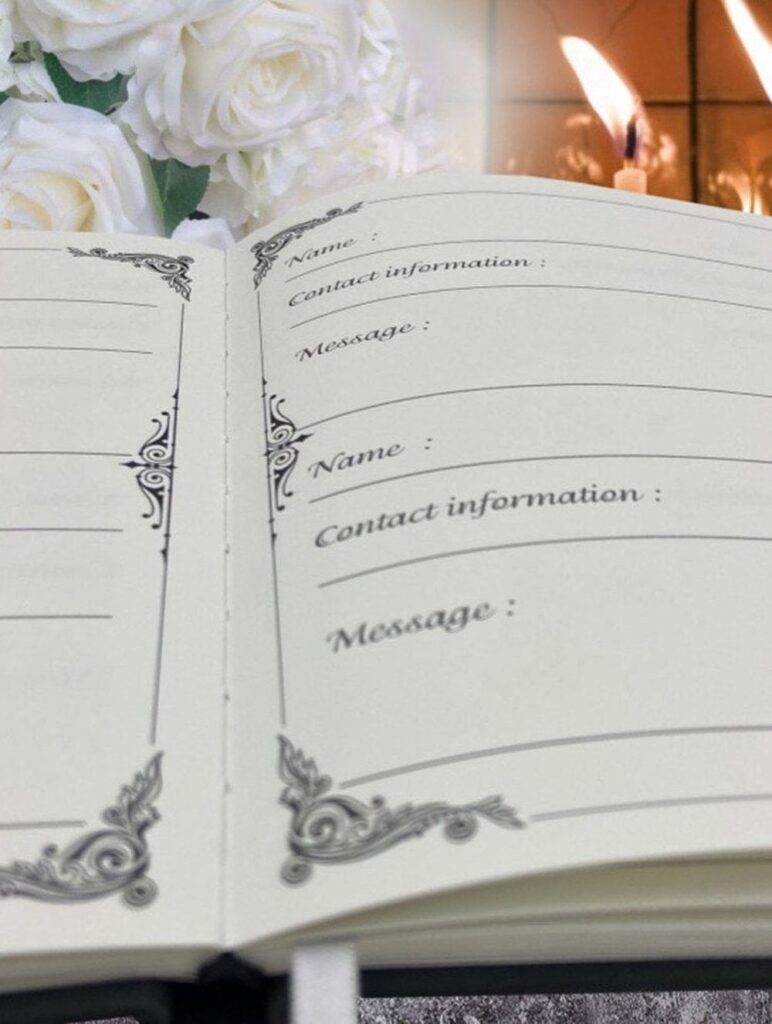
Memorial guest books run from a basket of painted memory stones to a vintage rotary phone that records spoken messages, and the right pick depends on how many guests you expect and how much the family wants to read afterward.
A small gathering suits a mini drawer chest or a postbox of cards.
1. Memory Stones
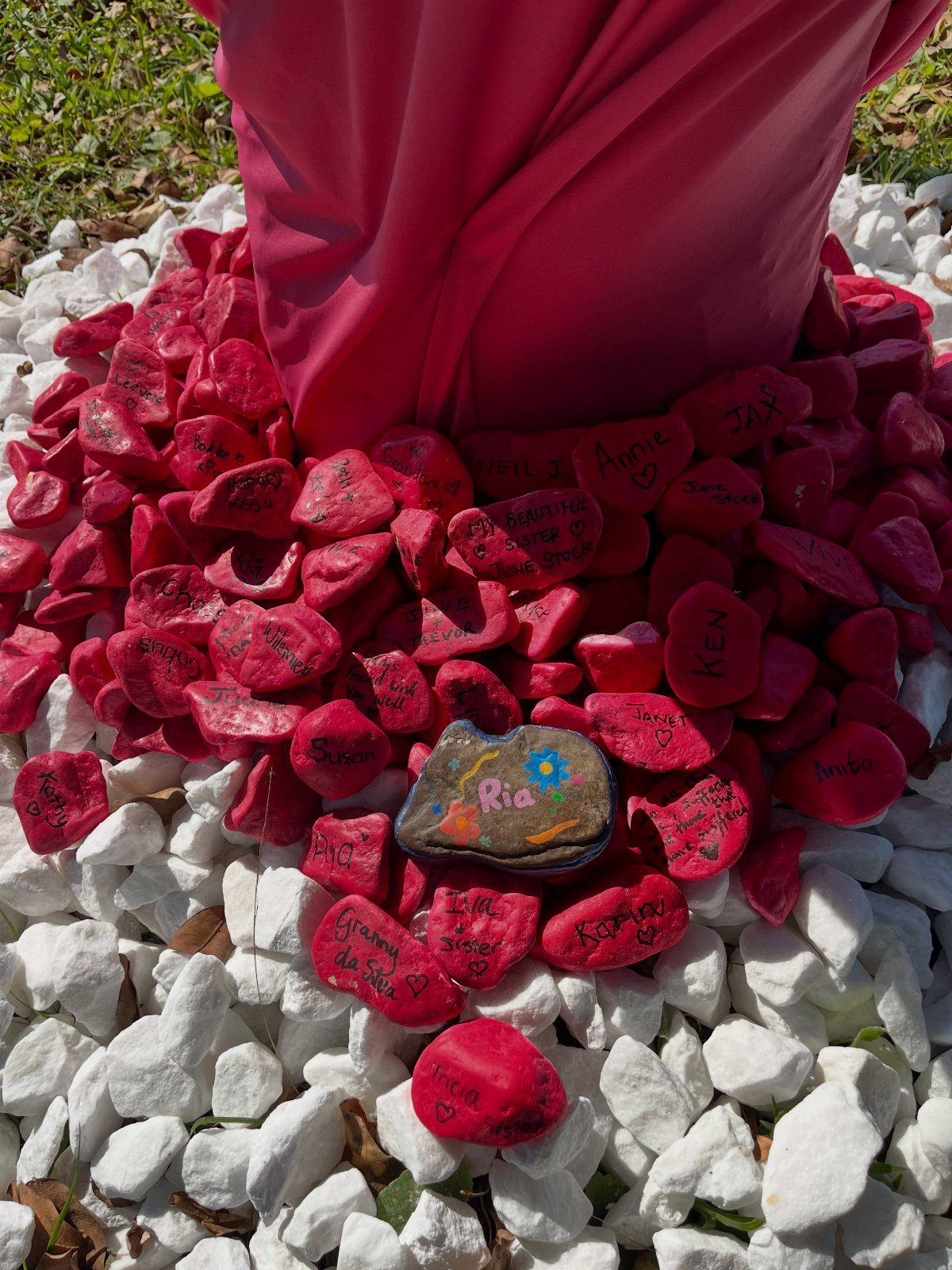
Painted stones turn a guest book into something people carry home. Set out a bowl of smooth stones, paint pens and a small sign asking each guest to write a name or one short memory.
Red stones read clearly against pale gravel, and a few in a second color keep the pile from looking uniform. I would use paint pens instead of markers, since they hold up on a rough surface.
Keep the stones near the photo or flowers, and leave a basket for guests who want to take one.
2. Traditional Funeral Guest Book
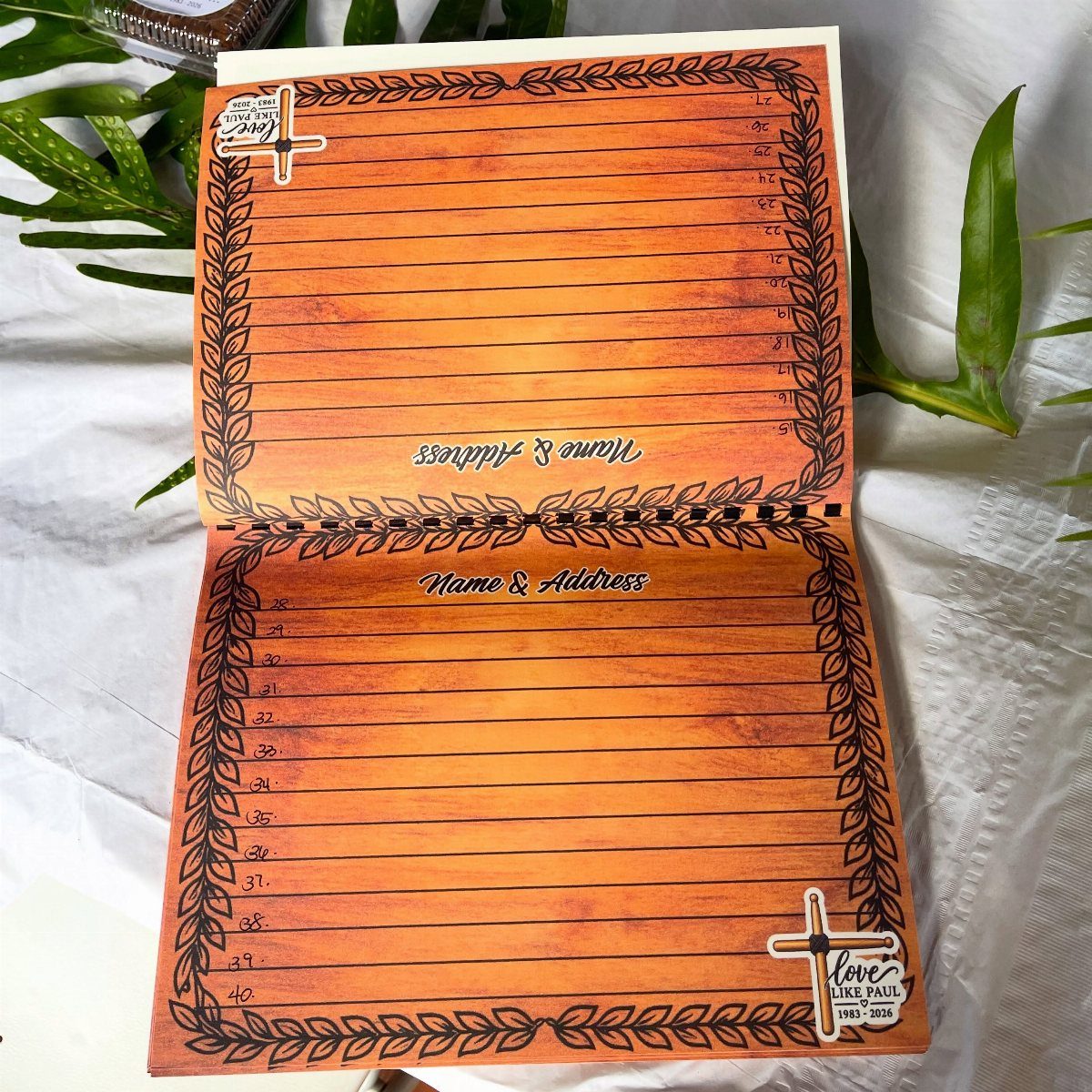
Printed lines for "Name & Address" do quiet work: they leave the family a mailing list for thank-you notes. A traditional book is the easiest option here, with nothing to build and nothing to explain.
Pages with a printed border, like leaves or florals, give short messages a frame and stop a half-filled page from looking sparse. Add the loved one’s name and years on the cover or first page.
Put a pen on a cord beside it, and ask a relative to open the book so guests know where to begin.
3. Memorial Bookmarks, Ornaments, and Tokens: Keepsakes for Every Guest
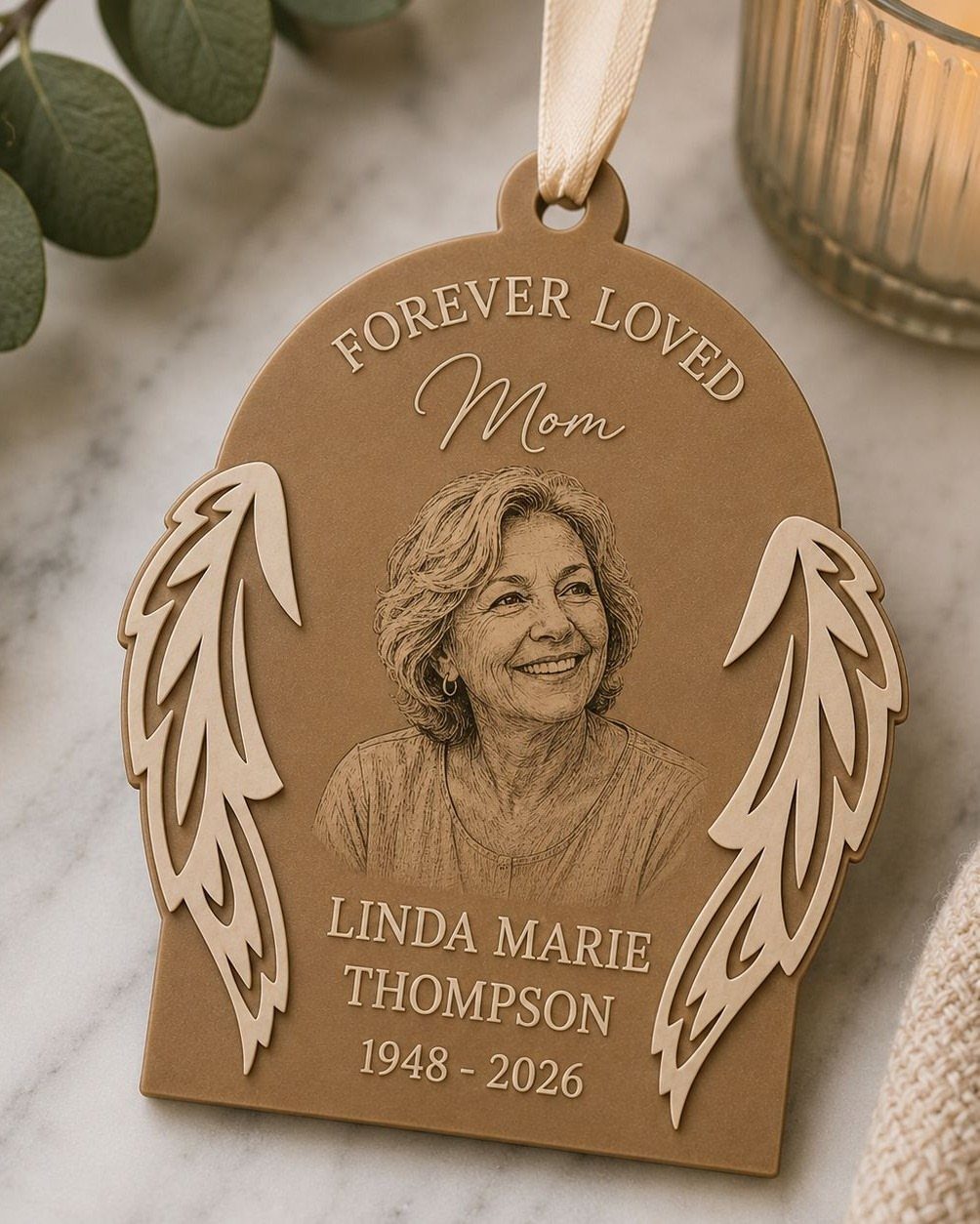
An engraved ornament works as a keepsake and a guest gift in one. A portrait, a name and the years give each guest something to hang or keep.
Cost is the limit. Personalized pieces multiply by your guest count, so order for close family and friends and use simple bookmarks for everyone else.
Set them in a tray near the sign-in table with a card of thanks. I would pick a single finish for every piece so the table looks planned.
4. Guest Station
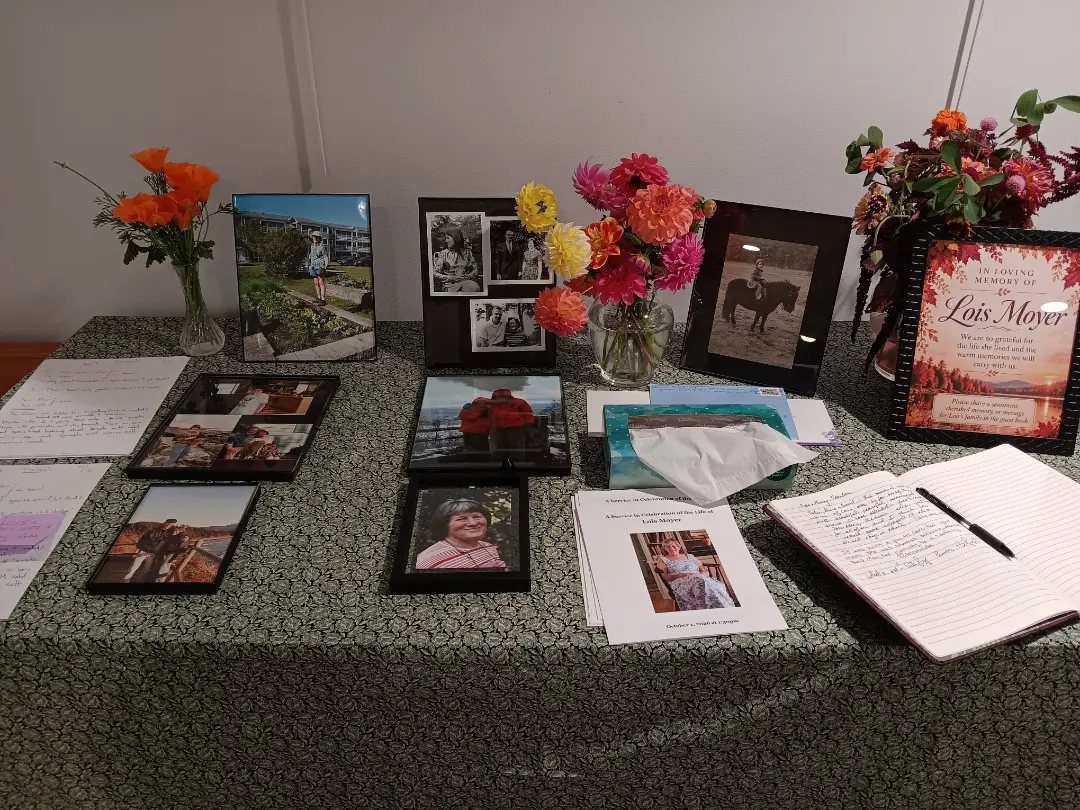
A single table can hold the whole guest experience. Frame a few photos, add flowers, a sign with the name, and an open book with a pen.
Use a patterned tablecloth to soften the setup, and keep the pen where guests will see it first. I would put the table by the entrance, so every arrival passes it.
Keep items low so the book stays the focus. This is easy to build from things you likely own.
5. Vintage Postbox Memory Drop
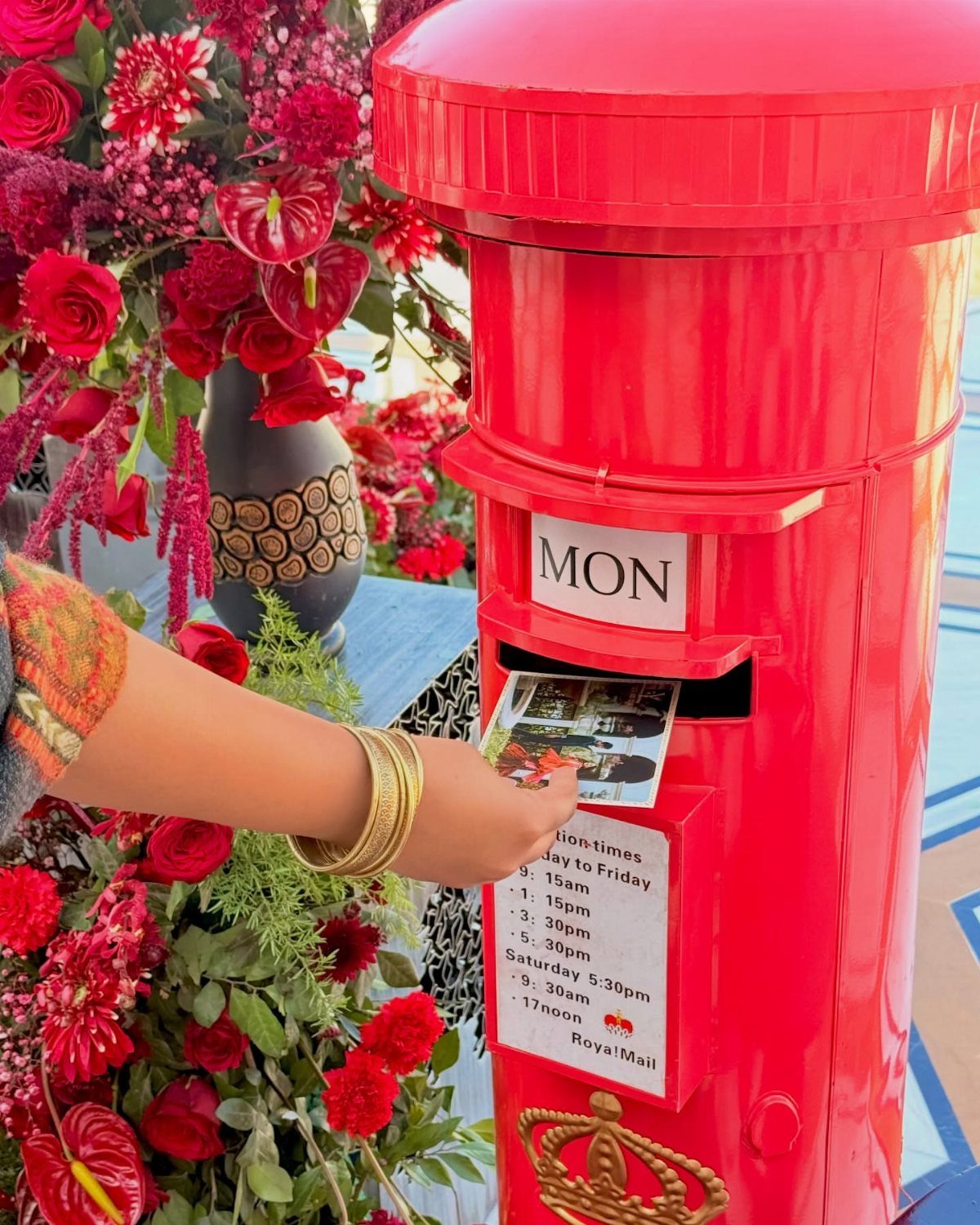
A miniature red postbox gives guests a ritual: write a card, slip it in. It makes sharing a memory feel like sending one.
Place it among flowers, and set out blank cards and pens beside it.
Photo-sized cards are good because guests can add a picture. Ask a family member to hold the box afterward so every card is read later, not just collected.
A small mailbox is easy to find secondhand or buy cheaply, and it takes less room than a book and table.
6. Mini Drawer Chest Memory Drop
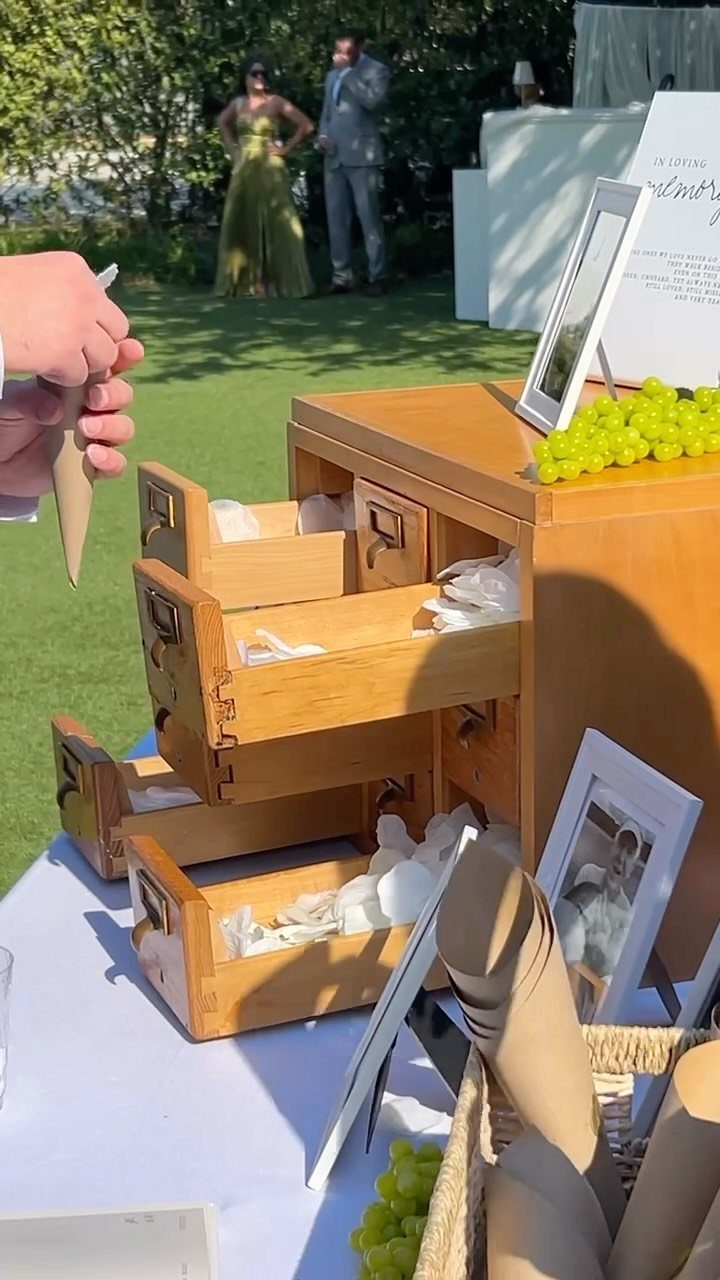
Small drawers make the writing feel private. Guests open one, take a slip of paper, write a memory and tuck it back inside.
I would keep the paper slips plain white and cut them small, so a few sentences fit. Leave the drawers open so guests see where to put their notes, and place pens in a cup beside the chest.
It suits a short gathering or a compact tabletop. Afterward, the family can read the drawers one at a time, at their own pace.
7. Vintage Rotary Audio Guest Book
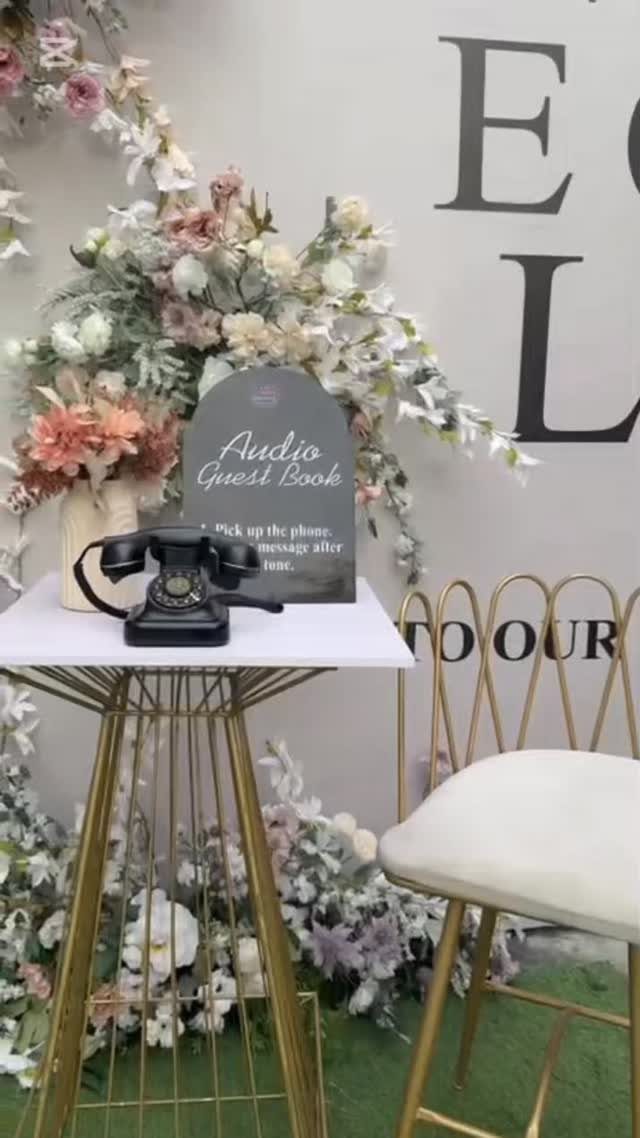
A rotary phone on a small table turns a guest book into something guests hear instead of read. Lift the receiver, leave a spoken message, hang up.
The sign matters more than the phone.
Spell out the steps in a line or two, since guests who have never dialed one may hesitate. Flowers and a gold-toned table keep it looking like part of the room.
A voice carries warmth that handwriting never quite matches. Place it away from the main crowd so people can speak without an audience.
8. Custom Photo Spiral Guest Book
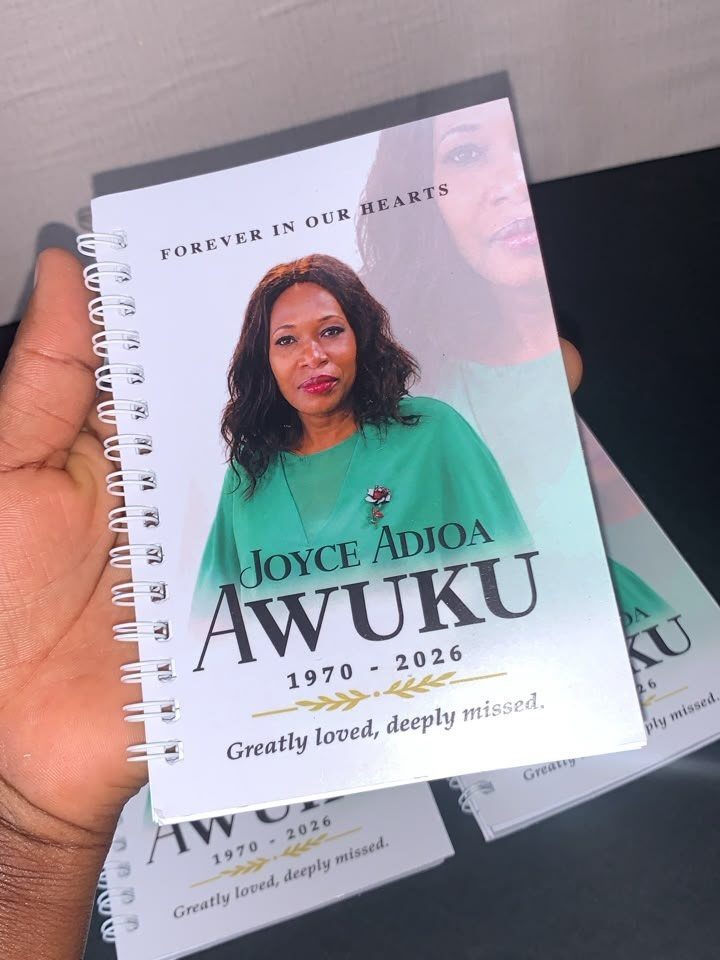
A portrait on the cover, the name and the years: a spiral-bound book printed this way reads as a keepsake before anyone writes in it. Lines like "Forever in our hearts" set the tone for the pages inside.
Spiral binding lets the book lie flat, so guests write comfortably at a standing table. I would repeat the portrait or the name on the inside pages, which ties the whole book together.
Proof the name and dates carefully before printing. Ordering takes time, so start early.
What to Write in a Guest Book
Specific beats polished.
Families hold onto the specific stuff: a story, a line the person repeated all the time, or the spot where you two first crossed paths. A generic sympathy line gets far less warmth.
Two to four lines is plenty.
When words won’t come, a name and a few words on how you knew them will do. Even that much shows the family who came and what the person meant to them.
Keep the tone warm and steady, in the present tense where you can.
Feelings of awkwardness, sadness, or not knowing what to say when you sign a memorial guest book are real, but the page will be reread on hard days, so write what you would want to read then.
Setting Up the Guest Book
Choose a quiet spot that is easy to find and out of the flow of traffic, so no one feels rushed or watched while writing. Put pens right there, and check them before guests arrive.
Prompts help people who freeze at a blank page. A small card with a line such as "Share a memory" or "How did you know them?" gives guests a way in.
Leave out any prompt that puts guests on the spot or stirs up old regrets. Soft, kind wording works best.
Even when the gathering follows a cremation, put the book out. Guests who find a formal ceremony stiff can still contribute, and they can do it without a word spoken.
After the Funeral
Read it when you’re ready.
There is more in those pages than a quick read picks up.
Store it somewhere dry, away from a damp basement and out of direct sunlight. Ink fades over time, and an older guest’s note can’t be written a second time once they’re gone.
A guest book shows you who was there, but it can’t keep you company in the quiet months afterward. A private grief journal with gentle prompts can serve that need.
Frequently Asked Questions
What to write on a guest book for a funeral?
A short memory beats a general sentiment: the story only you could tell, a phrase the person said so often it became theirs, or the day you met.
Two to four lines is plenty. If words won’t come, your name and how you knew them is enough, because it shows the family who came and what the person meant to them.
What is a good memorial book for a funeral?
For most families I’d pick the classic book with ruled columns for name and address, since those pages double as a mailing list when the thank-you notes go out.
A spiral-bound book with a portrait, the name and the years on the cover reads as a keepsake and lies flat for writing.
Check the spelling of the name and both dates twice before you order, and leave extra days for printing.
How to plan a memorial guest book station?
Set the table just inside the entrance where every guest will pass it, but a few steps off the main path so no one feels hurried while writing.
Lay out 2 or 3 pens you have tested, then add a few framed photos and a low arrangement of flowers so nothing blocks the book. A small card reading "Share a memory" gives a nervous writer somewhere to start.